


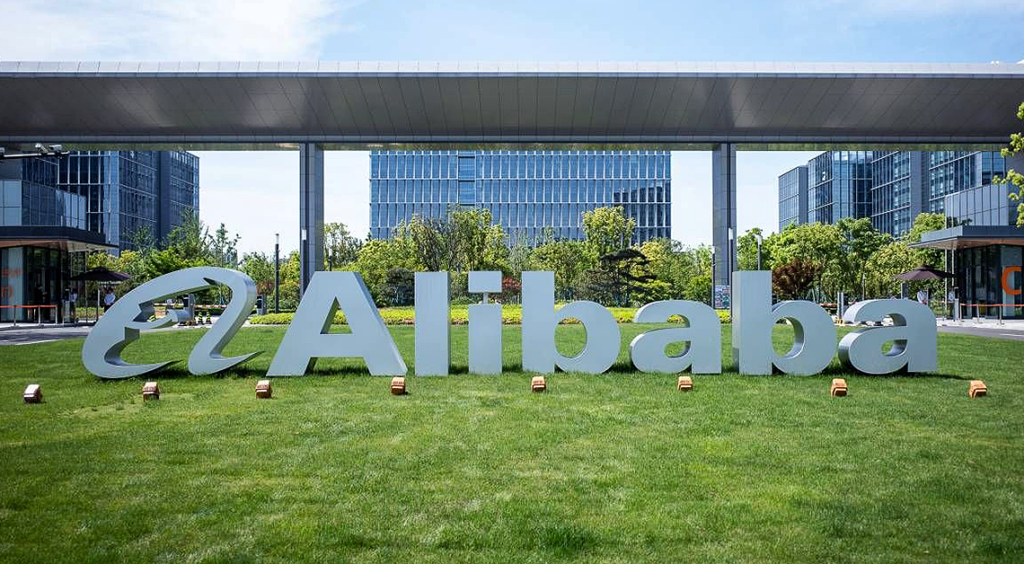
Alibaba Group has launched a new artificial intelligence platform designed for enterprise use, as competition intensifies in China’s rapidly growing AI agent market.
The platform, named Wukong, enables businesses to automate complex workflows by coordinating multiple AI agents within a single interface. It can handle tasks such as document editing, spreadsheet management, meeting transcription, and research, making it a comprehensive productivity tool. Currently, Wukong is available through an invitation-only beta program.
The launch follows the company’s recent restructuring under the newly formed Alibaba Token Hub (ATH) business group, highlighting a stronger focus on enterprise-level AI solutions. Wukong is positioned as the flagship product of the Wukong Business Unit within ATH.
Read: Nvidia bets on AI inference as chip revenue opportunity hits $1 trillion
Users can access Wukong either as a standalone desktop application or via DingTalk, Alibaba’s workplace collaboration platform used by over 20 million corporate users.
In addition, the platform is expected to integrate with other popular communication tools such as Slack, Microsoft Teams, and WeChat, according to the company’s official statement.
The move comes amid rising interest in AI agent technologies in China, largely driven by the popularity of OpenClaw, an open-source AI agent tool that has recently gained traction across the tech community.
This growing trend has pushed major tech players, including ByteDance, Tencent, and AI startup Zhipu AI, to introduce similar solutions, despite increasing concerns from regulators over potential security risks.
Chinese companies, many of which provide open-source AI models that are free to download, have significantly reduced token prices as competition intensifies across the domestic market.
Leading models such as DeepSeek, Qwen, and ChatGLM are now priced 10 to 20 times lower than their U.S. counterparts. This aggressive pricing strategy is helping Chinese firms expand their global footprint, but it is also raising concerns about long-term profitability in the sector.