


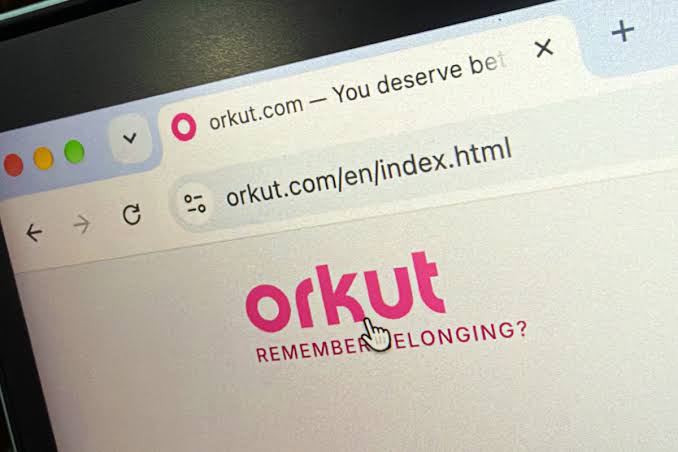
Orkut Büyükkökten is asking users to register their support for the possible return of Orkut, the social network that gained millions of users in India and Brazil before Google shut it down in 2014. The proposed revival comes amid growing concerns about AI-generated content, algorithm-driven feeds, and the loss of authentic human connections on social media.
Orkut, one of the internet’s most recognizable social networking platforms of the 2000s, could be heading toward a comeback. Its founder, Orkut Büyükkökten, has invited former users and new supporters to visit Orkut.com, register their names, and encourage others to support the platform’s potential return.
The move has renewed interest in a social network that once played a significant role in shaping online communities, particularly in India and Brazil. However, the founder has not confirmed whether a new version of Orkut is actively being developed or when it might become available.
Orkut Founder Asks Users to Support the Platform’s Return
In a post published on X on Thursday, Büyükkökten called on users to visit the official Orkut website and add their names in support of bringing the platform back. He also encouraged people to invite others to join the initiative.
The appeal suggests that the founder wants to measure public interest before providing further details about the platform’s future. At present, there is no confirmed launch date, product roadmap, or detailed announcement explaining what a revived Orkut would look like.
The initiative has attracted attention because of the platform’s history and its founder’s criticism of how modern social media operates. Rather than focusing solely on increasing engagement, the revival effort appears to emphasize friendship, genuine communities, and meaningful interaction between people.
How Orkut Became One of the Internet’s Most Popular Social Networks
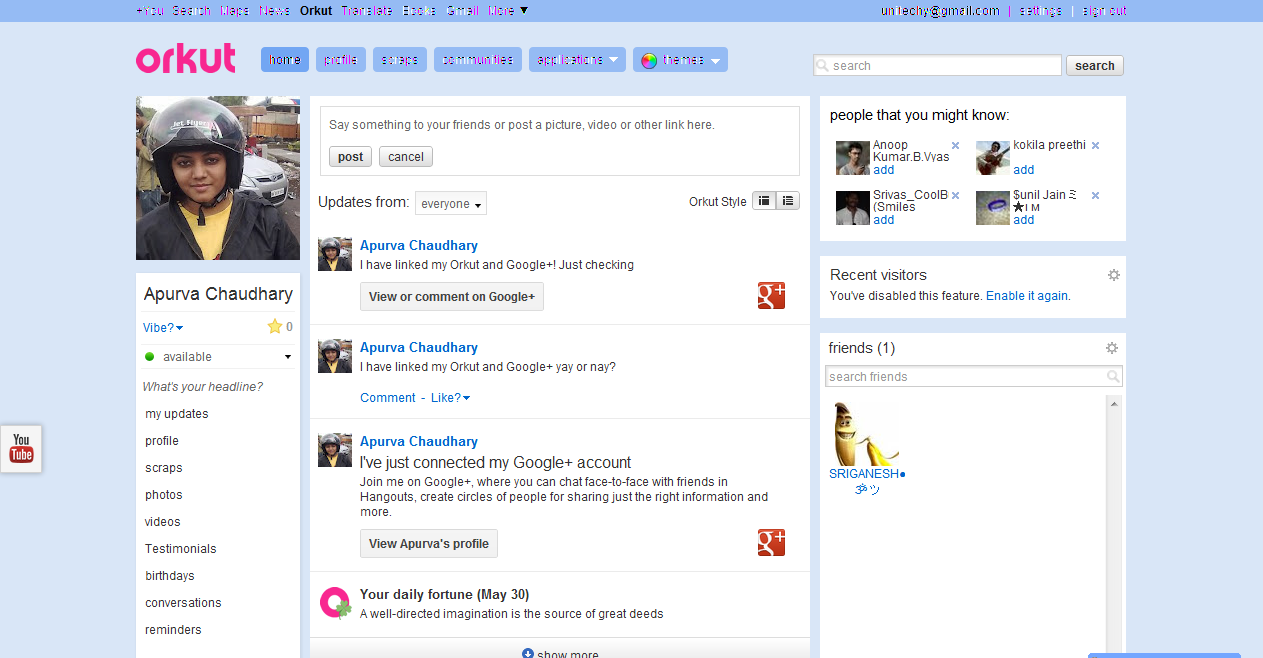
Orkut launched in January 2004 as a project created by Büyükkökten while he was working at Google. The service allowed people to build profiles, connect with friends, join communities, share interests, and communicate with other members.
At a time when social networking was still developing, Orkut offered an accessible way for users to establish online identities and participate in interest-based groups. Its communities became a major part of the experience, allowing members to discuss hobbies, entertainment, education, technology, and everyday life.

The platform developed particularly strong followings in Brazil and India. In these markets, Orkut became an important destination for social interaction before Facebook and other platforms gained greater influence.
Orkut’s appeal came partly from its community-oriented design. Users could join groups built around shared interests, participate in discussions, and maintain connections with friends. For many early internet users, these communities provided an introduction to online social networking.
However, competition intensified as Facebook expanded internationally and other services improved their features and user experiences. Orkut gradually lost ground, and Google eventually announced that it would discontinue the service.
Google shut down Orkut on September 30, 2014, ending a decade-long chapter in the history of social media.
Founder Criticizes the Direction of Modern Social Media
In a letter published on Orkut.com, Büyükkökten expressed concerns about the direction social media has taken over the past two decades. He highlighted the growing influence of algorithms, artificial intelligence, and content systems that can prioritize engagement over meaningful human interaction.
The founder argues that the original appeal of social networking was its ability to connect people with other real individuals. In his view, the increasing presence of automated and AI-generated content risks weakening that fundamental experience.
Büyükkökten acknowledged the potential of artificial intelligence but questioned its impact when online platforms become increasingly difficult to distinguish from environments filled with automated activity.
His message reflects a broader debate within the technology industry about the future of social media. Platforms increasingly use recommendation algorithms to determine which posts users see, while generative AI makes it easier to produce large volumes of text, images, and other digital content.
These technologies can help users discover relevant information and communicate more efficiently. However, they also raise concerns about spam, misinformation, artificial engagement, and the authenticity of online conversations.
For a potential Orkut revival, the challenge would be to preserve the benefits of modern technology without allowing automated content and engagement-driven recommendations to overwhelm genuine relationships.
Hello: The Founder’s Previous Attempt to Build a Social Network
The proposed Orkut revival would not be Büyükkökten’s first attempt to create a social networking platform after Google’s service was discontinued.
In 2016, he launched Hello, a social network designed to connect people through shared passions and interests. The service aimed to encourage more meaningful interactions by helping users discover communities around subjects they cared about.
Hello followed a different approach from conventional social networks by emphasizing common interests as a starting point for building relationships. The project attracted international attention and reportedly surpassed two million downloads worldwide.
However, the platform did not achieve the scale of Orkut, which had reportedly reached approximately 300 million active users at its peak, according to a report published by Entrackr in 2019.
Hello was subsequently discontinued in 2020, highlighting the difficulty of establishing a new social network in a market dominated by major technology companies.
The experience also illustrates a central challenge for any future Orkut project: attracting initial users is only the first step. A successful platform must give people compelling reasons to return regularly, invite friends, and remain active as the service grows.
Earlier Hints Suggested Another Social Networking Project
Büyükkökten had already indicated an interest in developing another social networking service before the latest call for support.
In 2022, a message published on Orkut.com stated that he was building something new, although he did not provide substantial details about the proposed project.
In 2024, he spoke to WIRED about his vision for a social network that would use artificial intelligence and machine learning to bring people together and help build communities.
The concept suggested that AI could be used to improve how users discover people with similar interests and establish meaningful connections. Rather than treating artificial intelligence exclusively as a content-generation tool, such a platform could potentially use it to improve community discovery and personalize social experiences.
However, the platform discussed in those earlier reports has not been publicly confirmed as a launched product. It is also unclear whether the current initiative represents a continuation of that project, a separate development effort, or an early attempt to gauge interest in restoring the original Orkut brand.
Can Orkut Compete With Facebook, Instagram, and Other Platforms Again?
If Orkut returns, it will face a very different social media market from the one it entered in 2004.
Facebook, Instagram, TikTok, Reddit, Discord, and other platforms already serve different social networking needs. They offer established communities, messaging systems, video-sharing tools, creator features, and recommendation technologies backed by substantial financial and technical resources.
A revived Orkut would therefore need to offer more than nostalgia. Its long-term prospects would depend on whether it could provide a distinctive experience that users cannot easily find elsewhere.
Several factors could influence its success.
1. Authentic human interaction
A renewed focus on real conversations and personal relationships could appeal to users who are dissatisfied with highly curated feeds, automated posts, and engagement-focused recommendations.
2. Interest-based communities
Orkut’s historic community features could provide a foundation for bringing people together around shared hobbies, professional interests, cultural topics, and local groups.
3. Responsible use of artificial intelligence
AI could support moderation, spam detection, translation, and community discovery. The challenge would be ensuring that these tools strengthen human interaction rather than replace it.
4. Privacy and user control
Modern users are increasingly conscious of how platforms collect data and personalize content. Clear privacy controls, transparent recommendations, and meaningful choices about how feeds work could help establish trust.
5. Building an active user base
Even a well-designed social network can struggle if users’ friends and communities remain on competing platforms. Orkut would need a strategy to attract users in groups and sustain engagement after the initial excitement fades.
These are potential success factors rather than confirmed features of the proposed revival. Büyükkökten has not yet publicly outlined a complete feature set for a new version of Orkut.
Is the New Orkut Already in Development?
As of this announcement, the founder’s request for support does not establish that a relaunched social network is ready or that development has officially begun.
The public initiative asks users to register their interest, but no confirmed release date, technical specifications, business model, or detailed product announcement has been provided.
It also remains unclear whether the project would restore the original Orkut experience, introduce a redesigned platform under the same name, or build an entirely new service inspired by its predecessor.
The distinction matters because reviving a well-known brand and rebuilding a functioning social network are two different challenges. The latter requires infrastructure, security, content moderation, privacy safeguards, product development, and a sustainable approach to growth.
For now, users should treat the initiative as a call for support rather than confirmation that the social network will return.
What Orkut’s Possible Comeback Means for Social Media
Orkut’s potential return comes at a time when the technology industry is reassessing how online communities should operate in an era of artificial intelligence.
The original platform became popular by helping people connect through personal profiles, friendships, and shared interests. Its founder now appears interested in addressing concerns that modern social networks have moved away from those early principles.
Whether a revived Orkut can turn that vision into a competitive product remains uncertain. The market is more crowded, user expectations are higher, and established platforms have built extensive ecosystems around communication and content discovery.
Nevertheless, the initiative highlights an important question for the next generation of social networks: can technology companies build platforms that use AI and modern infrastructure while keeping real people and meaningful relationships at the center of the experience?
For former Orkut users, the announcement offers a reason to revisit a familiar name. For the wider technology industry, it presents another test of whether community-focused social networking can find a place in today’s digital landscape.
Until the founder provides further details, Orkut’s return remains a possibility rather than a confirmed relaunch.
Millennials Remember Orkut, but Many Gen Z Users May Never Have Used It
For millions of millennials, Orkut was more than just another social networking website. It was an important part of their early internet experience, offering a place to connect with friends, join online communities, share updates, and express themselves before today’s social media platforms became dominant.
However, many members of Generation Z (Gen Z), who grew up with smartphones, Instagram, TikTok, Snapchat, and other modern platforms, may never have experienced Orkut firsthand. The social network shut down in 2014, meaning younger users who began using social media later may know little about the platform that once attracted a massive global audience.
For millennials who remember Orkut, the platform brings back memories of customizable profiles, testimonials from friends, scraps, and communities built around shared interests. These features helped define early social networking, when online interaction often felt more personal and community-driven.
The contrast between generations could become an interesting part of Orkut’s possible comeback. While older users may be drawn to nostalgia, younger audiences would need a compelling reason to join a platform they have never used. A successful revival would therefore need to appeal to both groups by combining the original platform’s community spirit with a modern, secure, and engaging experience.
Whether Orkut can turn its legacy into a new social networking opportunity remains uncertain. Its founder’s latest appeal, however, gives former users a chance to show their support and introduces a name from internet history to a generation that may be discovering it for the first time.