

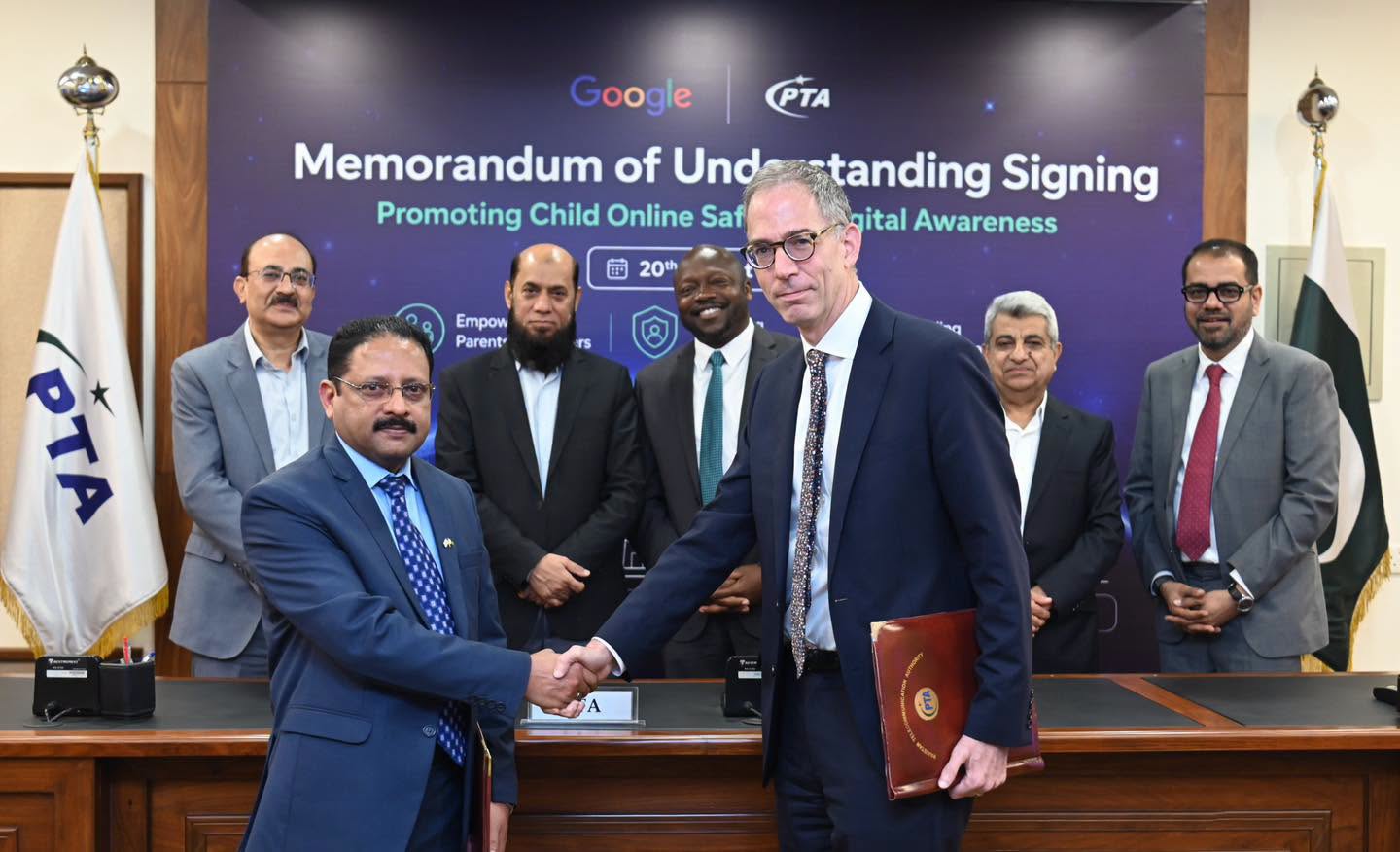

Google has launched Digital Pasban in Pakistan, a nationwide online-safety initiative aimed at helping parents, children and educators navigate the digital world more safely. The initiative will target 200,000 households with Urdu-language resources, practical safety training and tools for responsible use of the internet and artificial intelligence.
Google unveiled Digital Pasban at its Safe Raho with Google event in Pakistan, bringing together technology, education, telecommunications and media partners to address the growing need for digital safety as more families rely on the internet for education, communication, entertainment and everyday activities.
The initiative combines practical technology tools with digital literacy and parent-focused education, giving families the knowledge and resources needed to identify online risks and make safer decisions.
A Nationwide Push for Digital Safety
Digital Pasban aims to reach 200,000 households through localized Urdu-language toolkits, instructional videos, SMS alerts, broadcast media campaigns, school-based activities and community engagement.
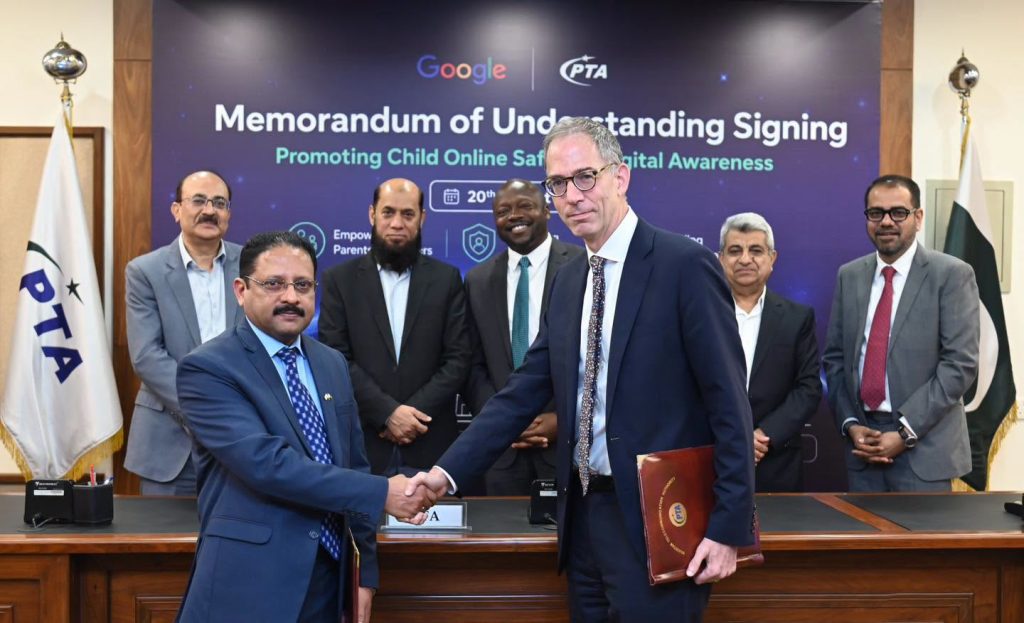
Google is working with several organizations as part of the initiative, including the Pakistan Telecommunication Authority (PTA), Tech Valley, Beaconhouse School System, Jazz World and HUM Network. The effort is also supported by Pakistan’s Ministry of Information Technology and Telecommunication, Ministry of Federal Education and Professional Training, and Ministry of Inter Provincial Coordination.
Rather than focusing solely on restricting children’s access to technology, Digital Pasban emphasizes education, responsible use and giving parents practical tools to help their children navigate the internet.
Four Pillars of Google’s Digital Pasban
At the heart of the initiative are four Google products and programs designed to address different aspects of online safety and digital literacy.
1. Family Link: Giving Parents More Control
Google Family Link provides parents with tools to manage their children’s digital experiences. Parents can set screen-time limits, approve or restrict applications, manage content settings and use device-location features.
The goal is to help parents establish healthier digital routines while giving children an age-appropriate online environment.
2. YouTube: Safer Viewing and Time Management
YouTube’s parental controls allow families to manage content and establish healthier viewing habits through features such as Take a Break and Bedtime reminders.
Google is also introducing a feature that allows parents to control how much time their children spend watching YouTube Shorts, including the option to set Shorts viewing time to zero. This gives parents greater flexibility to limit short-form content when children need to concentrate on schoolwork or other activities.
3. Be Internet Awesome: Teaching Children Digital Citizenship
For younger users, Google’s Be Internet Awesome program introduces online safety through interactive and engaging educational content.
Designed for children aged 7 to 12, the program promotes five core principles: sharing information carefully, recognizing scams, creating secure passwords, treating others respectfully and reporting problems.
The lessons are reinforced through Interland, an interactive game that turns digital-safety concepts into practical experiences for children.
4. Gemini: Encouraging Responsible AI Use
As artificial intelligence becomes increasingly common in education and everyday life, Digital Pasban also introduces parents and children to Gemini as a tool that should be used responsibly.
Google highlights built-in protections for younger users, including restrictions around harmful role-play and inappropriate content. Gemini’s Guided Learning feature can also support students by helping them work through difficult subjects, asking targeted questions, explaining concepts step by step and providing visual assistance rather than simply giving them an answer.
Taking Online Safety Beyond the Screen
A key part of Digital Pasban is its focus on community-based education.
Google Pakistan and its partners plan to bring the initiative into local communities through parent and guardian safety clinics, school-based town halls, social media campaigns, SMS communication and broadcast media.
These sessions are designed to be practical rather than purely theoretical. Parents can work through real-world scenarios, explore safety settings and learn how to respond to common digital risks alongside other families.
The approach recognizes that technology changes quickly and that parents often need guidance that goes beyond simply knowing which apps their children use.
Google.org Commits $500,000
Alongside the Digital Pasban initiative, Google.org is committing $500,000 to expand evidence-based digital citizenship and AI-safety programs across Pakistan.
Working with local partners, the funding is intended to provide young people and adults with practical skills for building healthier online habits, understanding emerging digital risks and using technology with greater confidence.
What Pakistan’s Digital Leaders Are Saying
PTA Chairman Major General (Retired) Hafeez Ur Rehman described Digital Pasban as a joint effort to build a safer digital environment for children and families in Pakistan.
He highlighted the initiative’s combination of practical tools, localized resources and school-based engagement as a way to help parents guide children toward safer and more responsible digital experiences.
Farhan Qureshi, Google’s Cluster Director for Pakistan, the Philippines, Thailand and Frontier Markets, said Pakistan’s digital ecosystem is expanding rapidly and that protecting children online should go hand in hand with giving them access to technology.
According to Qureshi, Google’s approach is to build safety into its products while strengthening that foundation through initiatives such as Digital Pasban, which give families the digital-literacy skills they need to use the internet with confidence.
Tech Valley CEO Umar Farooq said the initiative addresses a growing gap between children’s increasing use of technology and parents’ ability to guide them through the digital environment. He described the planned safety clinics and parental toolkits as practical resources that families can apply immediately.
Aamir Ibrahim, CEO of JazzWorld, called Digital Pasban a meaningful step toward providing parents and children with practical safety tools, awareness and guidance.
Building on Google’s Digital Education Efforts in Pakistan
Digital Pasban also builds on Google’s previous digital-education initiatives in Pakistan.
Through the Digital Safar program, Google says it has trained more than 300,000 students and 5,000 educators in digital citizenship, combining Be Internet Awesome content with Gemini Academy training.
Google has also partnered with the Punjab government, supporting the migration of its Ministry of Education to Google for Education and extending secure, AI-powered learning tools and safety curricula to 1.5 million students.
A Safer Digital Future for Pakistan
With internet access continuing to expand across Pakistan, the challenge is no longer simply getting families online. Increasingly, it is helping them understand how to use digital platforms safely and responsibly.
Digital Pasban represents Google’s effort to address that challenge through a combination of technology, education, parental guidance and cross-sector collaboration.
By targeting 200,000 households and supporting broader digital-safety programs through Google.org funding, the initiative places digital literacy and online protection at the center of Pakistan’s increasingly connected future.
For Pakistani families, the message behind Digital Pasban is straightforward: being connected should also mean being informed, protected and prepared.