

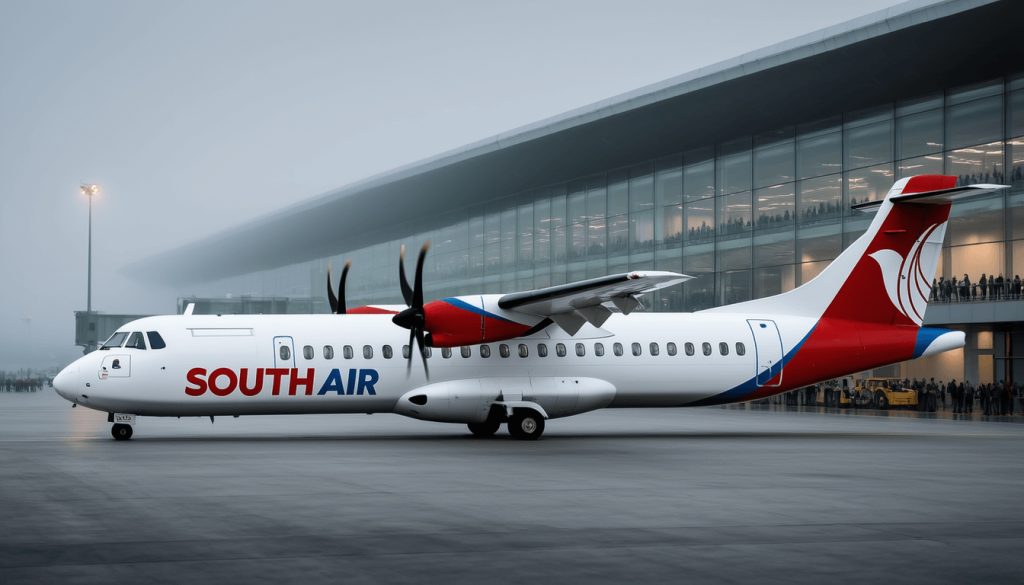
Pakistan’s aviation sector is set to welcome a new player as South Air, a newly established private airline, moves closer to launching commercial operations after bringing its first aircraft to the country and successfully conducting trial flights.
The arrival of South Air’s first ATR 72-500 aircraft marks a significant milestone for the airline, which aims to strengthen regional connectivity, improve domestic air travel, and support economic development across underserved regions, particularly South Punjab, Balochistan, and other emerging economic corridors.
The airline is expected to begin commercial operations in June 2026, according to industry reports.
South Air’s First Aircraft Arrives in Pakistan
The ATR 72-500, a turboprop aircraft widely used for regional routes, recently arrived in Pakistan as part of South Air’s plans to establish a reliable domestic network connecting major cities with secondary destinations.
Industry observers believe the airline’s entry could help improve accessibility for travelers from South Punjab, where demand for efficient domestic air connectivity continues to grow.
The development comes at a time when Pakistan is witnessing renewed interest in regional aviation services aimed at reducing travel times and supporting economic integration between provinces.

Trial Flight Successfully Lands at Gwadar International Airport
In another major milestone, South Air successfully operated its first trial flight between Karachi and Gwadar.
Flight Z8-905 departed from Karachi and landed at the New Gwadar International Airport, demonstrating the airline’s operational readiness and commitment to serving strategic destinations across Pakistan.
The launch of services to Gwadar is expected to support the broader vision of enhancing connectivity under the China-Pakistan Economic Corridor (CPEC), while facilitating passenger movement, cargo transportation, tourism, and business activities.
A spokesperson for the airline stated that improved links between Gwadar’s seaport and airport infrastructure could contribute to transforming the coastal city into a major commercial and transit hub.
What South Air Means for South Punjab
The emergence of South Air has generated particular interest in South Punjab, a region that has long sought stronger air connectivity to major economic centers.
Cities such as Multan, Bahawalpur, Dera Ghazi Khan, and Rahim Yar Khan could potentially benefit from expanded regional air services, creating new opportunities for business travel, tourism, trade, and investment.
Improved domestic connectivity may also provide residents and businesses with more travel options while supporting regional economic growth.
Employment and Economic Opportunities
Beyond passenger travel, South Air’s launch is expected to contribute to job creation across multiple sectors, including aviation operations, ground handling, customer services, logistics, tourism, and hospitality.
Aviation experts note that the expansion of regional airlines plays a crucial role in improving mobility, encouraging investment, and strengthening links between Pakistan’s major urban centers and developing regions.
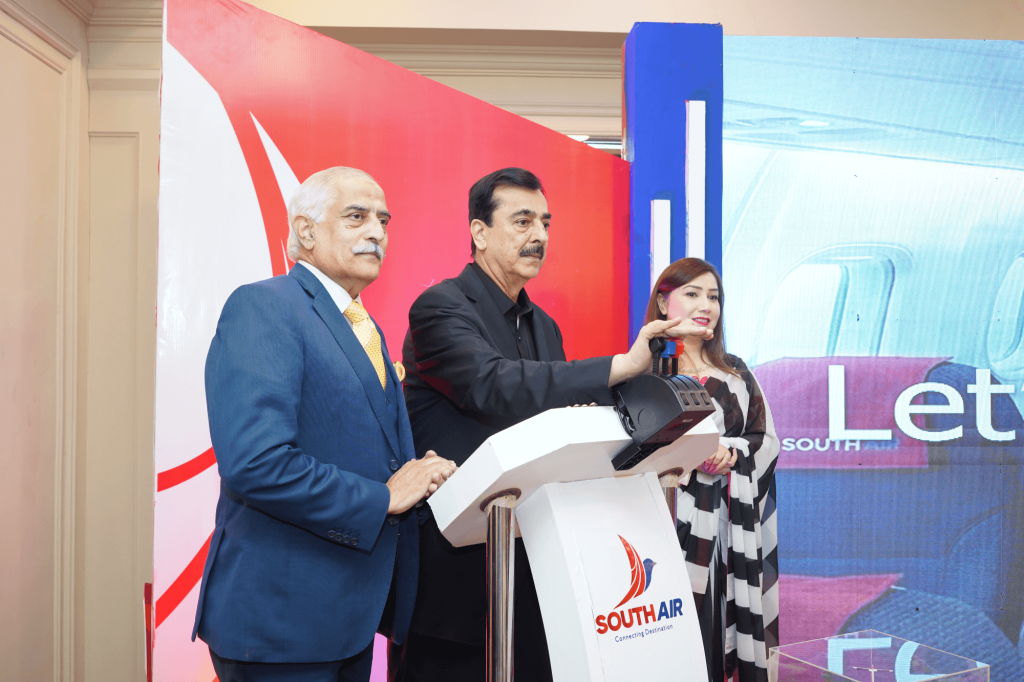
South Air Set for June 2026 Launch
With its first aircraft now in Pakistan and trial operations underway, South Air appears on track to commence commercial flights in June 2026.
The airline’s launch represents a notable addition to Pakistan’s aviation industry and could help address growing demand for regional air travel while supporting connectivity, tourism, and economic development across the country.
Key Facts
- South Air has brought its first ATR 72-500 aircraft to Pakistan.
- The airline is expected to launch commercial operations in June 2026.
- South Air successfully conducted a trial flight from Karachi to Gwadar.
- The airline aims to strengthen regional connectivity and domestic tourism.
- South Punjab is expected to benefit from improved air travel options and economic opportunities.
- Gwadar connectivity could support trade, tourism, and CPEC-related development.